




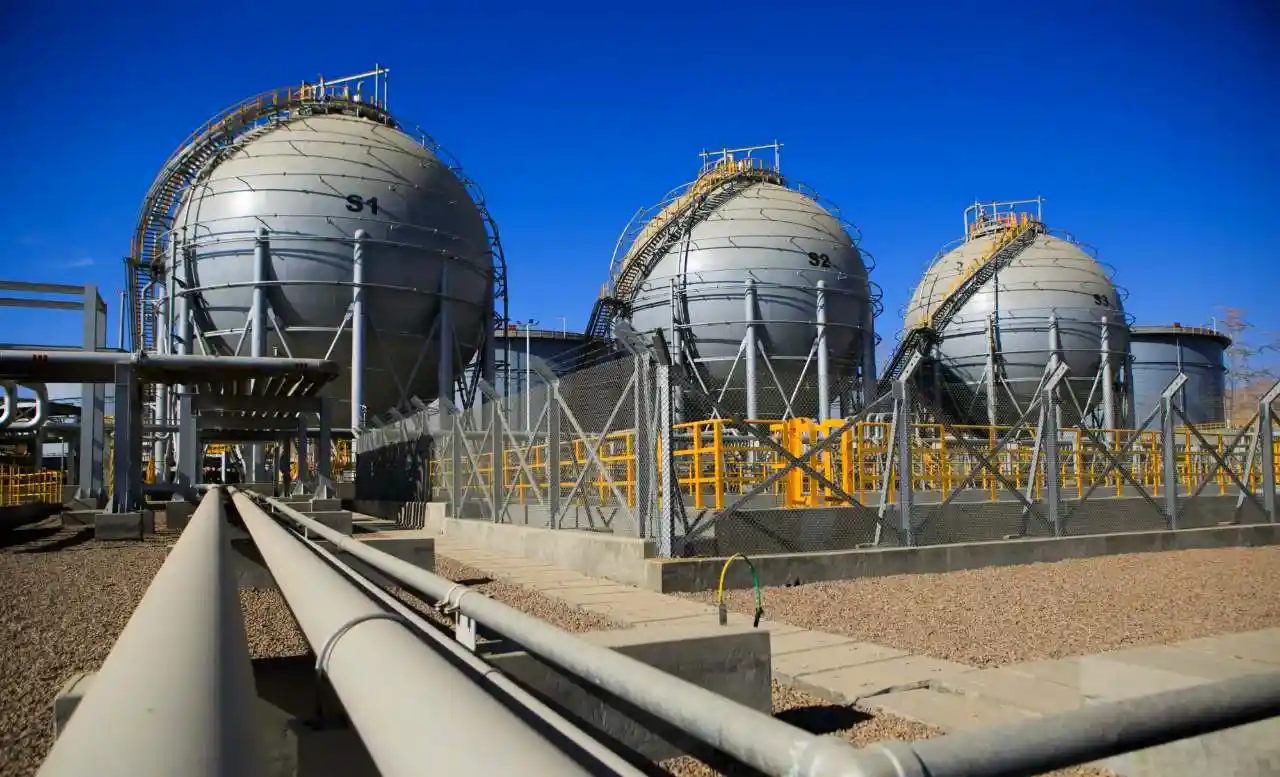
Natural gas supply and demand must be managed effectively, and storage plays a significant role in this. The United States Energy Information Administration (EIA) recently revealed a massive storage build of 48 billion cubic feet (BCF), which exceeded analysts’ expectations. This unexpected increase has attracted the interest of energy investors and industry experts, particularly since natural gas prices are rising and supply conditions are volatile.
Understanding the Impacts of Building Natural Gas Storage
Storage breakthroughs are key indicators of how the energy market will evolve in the future. A higher-than-expected storage build usually indicates that supply exceeds demand, which may lead prices to fall. On the other hand, if storage levels do not reach expectations, it may result in less supplies, causing prices to rise.
The most recent EIA report discusses how shale gas extraction is driving rising natural gas output in the United States. This abundant supply, combined with mild weather, has helped maintain storage levels stable as we approach the colder months. However, because geopolitical tensions and weather patterns remain unpredictable, storage levels will continue to be critical for anticipating prices.


What Does This Mean for Buyers and Sellers?
It is critical for investors and consumers to understand these storage reports. A significant amount of storage may keep the energy market steady, but if storage levels fall in the future, prices may rise. As always, gathering information from trusted sources such as the EIA and energy market analysts can help you predict what will happen to natural gas prices in the future.
Also read: Susan Monarez Appointed as CDC Director: A New Chapter for Public Health