
The Fed Just Changed The Market Narrative – And Wall Street Is Starting To Panic
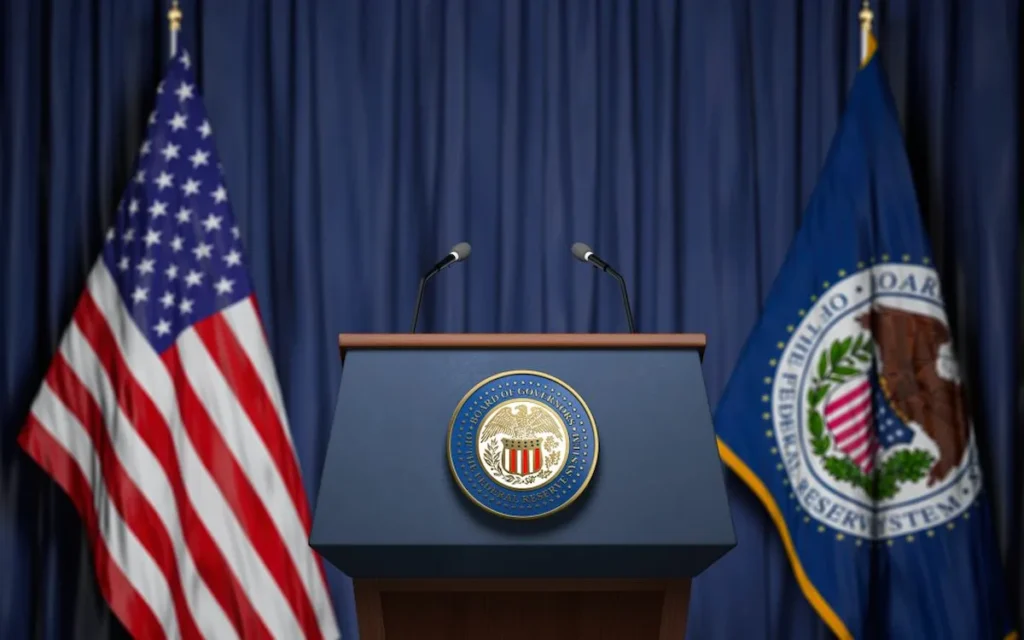
The Federal Reserve just sent markets a message — and it was far more hawkish than investors expected.
At Jerome Powell’s final meeting as Fed Chair, policymakers kept interest rates unchanged at 3.5%–3.75%, marking the third consecutive pause. But the real story was hidden inside the meeting minutes: the Fed is no longer confidently talking about rate cuts. Instead, officials are openly discussing the possibility of rate hikes returning if inflation refuses to cool.
That shift matters.
The April 28–29 meeting revealed one of the deepest policy divisions inside the Federal Open Market Committee in decades, with an unusual 8–4 split vote — the largest number of dissents since 1992. Three officials wanted even tougher language against inflation, while one member pushed for lower rates.
Behind the disagreement is a problem the Fed cannot ignore: inflation is heating up again
Consumer inflation is currently running at 3.8%, while wholesale prices surged to 6% in April — the hottest reading since December 2022. Policymakers warned that the ongoing Middle East conflict, particularly rising oil prices linked to the Iran war, could push inflation even higher in the months ahead. Oil has already climbed above $100 per barrel, adding pressure across energy, transport, and consumer goods.
For months, markets believed the next Fed move would eventually be a rate cut. That assumption is now starting to crack.
The minutes stated clearly that “tighter policy would be appropriate if inflation continued to run above 2%.” Investors reacted quickly, raising expectations for a possible rate hike in late 2026 or early 2027. Treasury yields moved higher, while the US dollar remained firm against most major currencies.
What makes this moment even more significant is the timing.
These where Powell’s final minutes before leadership transitions begin reshaping the Fed. The document reads less like a routine policy update and more like a warning that the era of easy optimism on inflation may be ending.
For Wall Street, the message is becoming harder to ignore:
The Federal Reserve may be done pausing inflation fears — and markets may still be underestimating how far policymakers are willing to go to regain control.