
Eurozone Inflation Slows as Oil Prices Drop
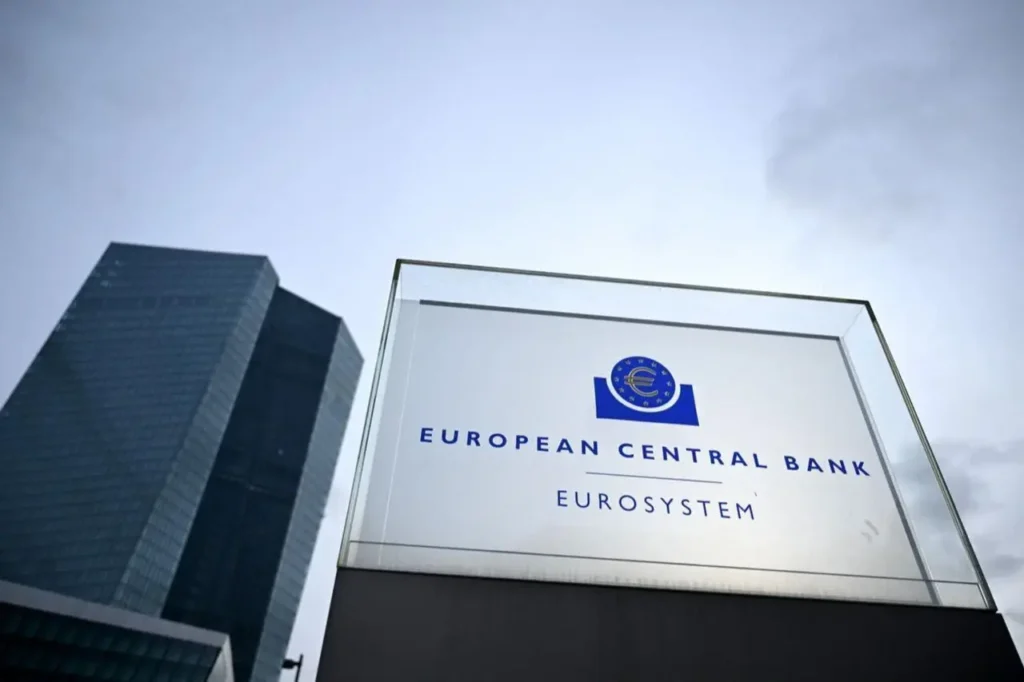
Consumer and policy makers in the Eurozone have seen a bit of relief in June as inflation in the euro zone country has decelerated more than expected. A key centrepiece for price growth cooling was lower oil prices, which led to new questions about how the European Central Bank will proceed with rate increases soon.
Eurostat’s new data shows that consumer prices in the euro area increased 2.8% in June compared with June 2015. Growth was well below 3.2% in May and below analysts’ forecasts of 3%.
The latest inflation data suggests that price pressures across the eurozone are starting to ease. This follows months of anxiety about escalating energy prices and worldwide uncertainty.
Falling Oil Prices Help Ease Inflation Pressure
One of the key causes of the slowdown was the recently sharp drop in the worldwide oil price. Oil prices also retreated as a prospect of relief in the Middle East appeared.
When energy costs fall, it can have a dampening effect on inflation, as transportation, manufacturing, and household costs can be lowered. Lower energy costs equate to reduced pressure on business to increase prices, aiding overall price stability.
Core Inflation and Services Sector Show Improvement
Core inflation, which excludes food and energy, also slowed more than expected. This is important as it provides a better indication of the trend of underlying inflation.
One of the closest to the ECB’s watch is the rate for services which dropped to 3.2%. This indicates price increases in important industries may be decelerating.
ECB Remains Cautious on Interest Rate Decisions
However, markets are still anticipating the ECB not to fall behind the guardrails even on weaker inflation data. Investors are continuing to factor in a 25 basis point interest rate hike in September.
Philip Lane said it was important for policymakers to note energy prices, as high energy prices would continue to have effects on food and services over time.
In the meantime, Christine Lagarde has inflation-buster and economic growth promoter on her agenda.
What Comes Next for the Eurozone Economy?
Joachim Nagel also warned that uncertainty remains high, especially due to ongoing developments in the Middle East.
Earlier, inflationary pressures and falling oil prices have taken the air off the ECB’s tires. Yet, future rate decisions will crucially rely on energy prices, inflation data, and overall economic conditions throughout Europe.