
The eVTOL Revenue Race: How Archer and Joby Are Taking Different Paths to Commercial Success
The future of air taxis is no longer just about futuristic technology — it is now about real revenue, real passengers, and the race to build a profitable business first.
The electric vertical takeoff and landing (eVTOL) industry entered a new phase in 2026 as investors shifted their focus from prototypes and promises to actual commercial performance. At the center of this transition are two leading players: Archer Aviation and Joby Aviation. While both companies are targeting commercial launches by 2027, their strategies for reaching profitability look very different.
Archer Aviation has focused on generating early revenue before launching passenger air taxi services. The company pursued military partnerships through the U.S. Department of Defense’s AFWERX Agility Prime program and also expanded into cargo flight trials in Los Angeles. These efforts helped Archer generate an estimated $8–12 million in revenue over the last four quarters, giving investors’ confidence in its early monetization strategy.
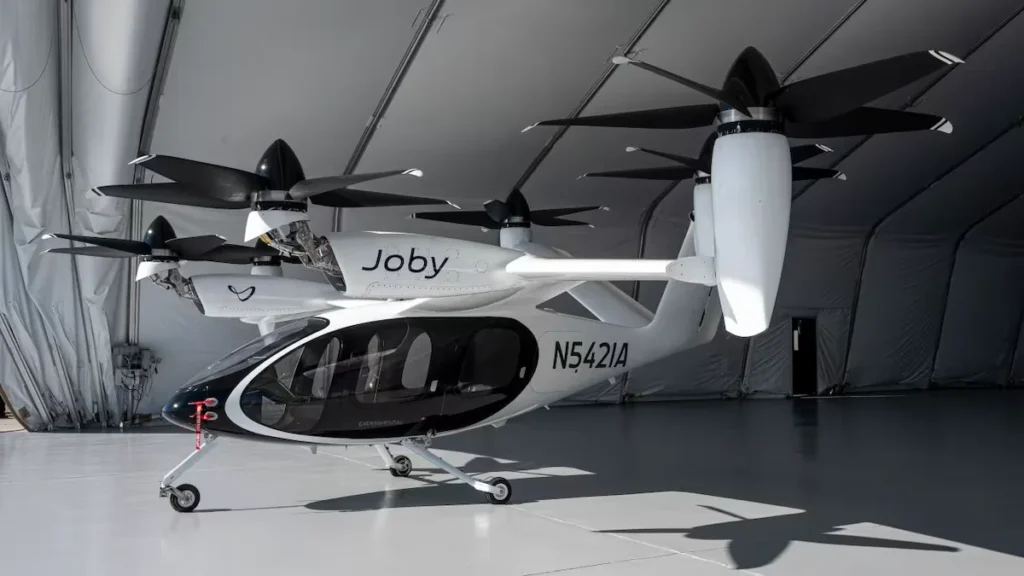
Joby Aviation, on the other hand, followed a “certification-first” approach. Instead of prioritizing short-term revenue, the company focused heavily on regulatory approvals, aircraft testing, and long-term infrastructure. That strategy produced limited revenue initially, but 2026 marked a major breakthrough.
In Q1 2026, Joby reported $24.2 million in revenue, beating analyst expectations. Much of this growth came from its BLADE passenger business, which served more than 90,000 passengers in 2025. Although Joby continues to report net losses due to manufacturing expansion and certification costs, the company remains financially strong with $2.5 billion in cash and short-term investments.
Investor confidence also received support from Toyota, which recently completed the first $250 million portion of its planned $500 million investment in Joby.
Operational progress has accelerated as well. In April 2026, Joby completed the first point-to-point eVTOL flights in New York City, including a seven-minute trip from JFK Airport to Manhattan. The company also achieved its third major FAA certification milestone and successfully flew its first FAA-conforming aircraft.
To support future demand, Joby acquired a 700,000-square-foot production facility in Dayton, Ohio, with plans to increase manufacturing capacity to four aircraft per month by 2027.
Market sentiment continues to shift between both companies. Archer gained early investor attention because of its revenue momentum, while Joby’s recent technical achievements and government-backed partnerships have helped fuel a stock rebound.
The eVTOL race is no longer about who can build the most futuristic aircraft. It is now about which company can turn innovation into a scalable and profitable business first.