
The Whiplash Premium: Why Shifting Headline Signals Keep Global Oil Markets on a Razor’s Edge
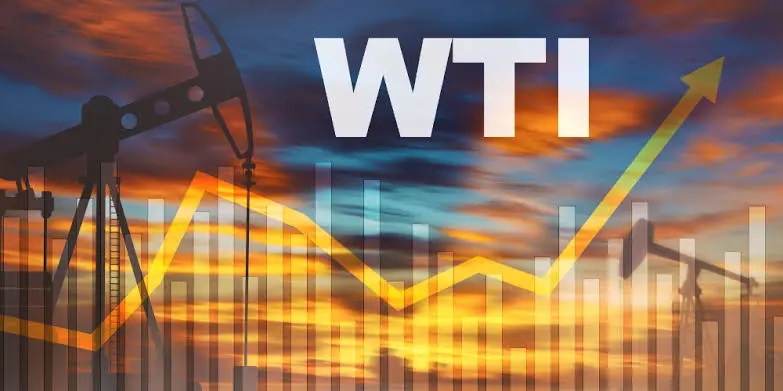
The world’s energy markets are locked in a high-stakes guessing game where geopolitical posturing routinely overrides economic fundamentals. After staging a violent surge in the previous session, crude oil futures marginally corrected on Tuesday, with West Texas Intermediate (WTI) slipping to near $90.50. The rapid price swings highlight a nervous global market trapped between severe physical supply constraints and erratic diplomatic rhetoric
Chokepoints and Conflicting Signals from Washington and Tehran
The current volatility stems directly from a barrage of conflicting messages surrounding the indirect peace negotiations between the United States and Iran. Energy benchmarks experienced sudden friction following reports regarding the state of diplomatic discussions between Tehran and Washington. Uncertainty over the exact path of the U.S.-Iran talks has left market participants struggling to gauge whether a concrete agreement to extend the ceasefire and stabilize critical maritime shipping lanes can be achieved anytime soon.
This geopolitical tug-of-war is taking place against a background of deeply complicated global inventory dynamics. Since regional hostilities flared, the threat of potential disruption to physical crude supplies has injected a persistent risk premium into front-month contracts. While market algorithms aggressively react to every piece of breaking diplomatic news, physical traders are closely monitoring underlying supply data. Even as broader financial markets face macro headwinds, crude demand has remained remarkably resilient across key economic corridors. This persistent structural demand, balanced against the looming threat of sudden Middle Eastern supply shocks, is barely keeping global market deficits at bay.
Record Freight Vulnerabilities and Macroeconomic Tailwinds
This intense friction separates the international market into distinct corporate camps. The clear winners are large-scale non-OPEC producers capitalizing on steady export volumes and multi-month price premiums. Conversely, the immediate losers are commercial shipping consortiums navigating unprecedented freight insurance premiums, alongside energy-dependent developing nations bearing the brunt of imported inflation. For global central bankers, this prolonged commodity premium serves as an aggressive structural headwind, threatening to trigger a second wave of core inflationary pressures that could derail planned interest rate cuts.
Perspective-Driven Conclusion
Relying on daily political soundbites to forecast long-term energy dynamics is an exercise in futility. The reality of 2026 is that even if a comprehensive U.S.-Iran diplomatic breakthrough is signed tomorrow, fully normalizing global logistics chains will take time. Traders must stop pricing crude based on raw theatrical optimism and start accounting for the structural reality of a structurally altered global supply chain.
KEY TAKEAWAY: The sharp, headline-driven fluctuations in WTI and Brent crude prove that while diplomatic theater can trigger short-term algorithmic sell-offs, the structural closure of major maritime chokepoints keeps the global energy grid acutely vulnerable to sudden supply shocks.