
Forex Shockwaves: Ethiopian Birr Grapples with Volatility Amid NBE’s Aggressive Reforms
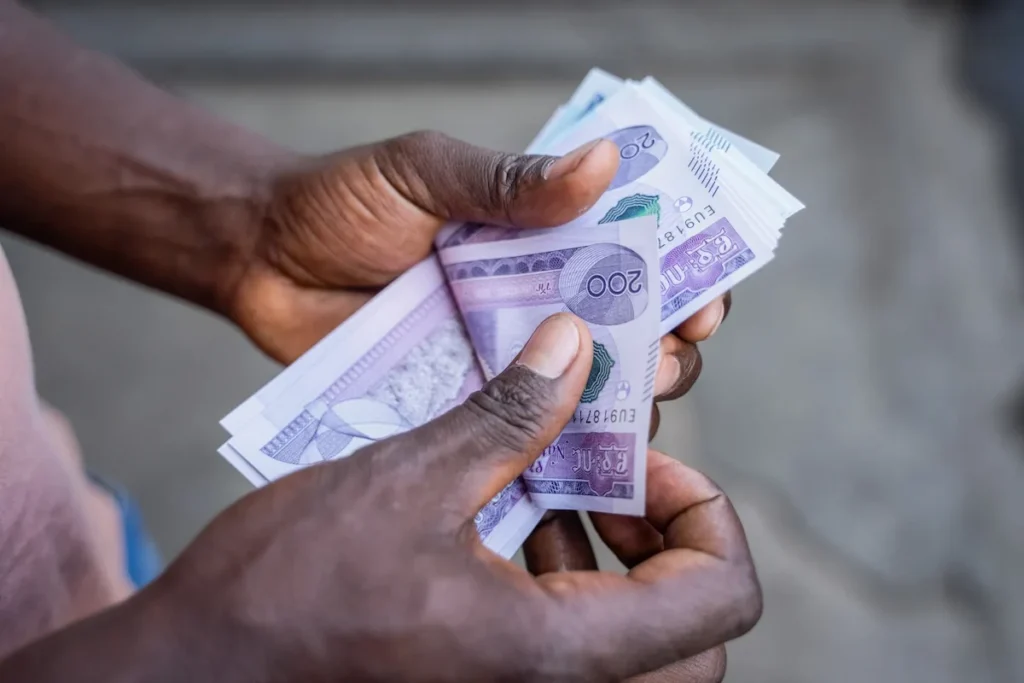
The landscape of East African finance is undergoing a seismic shift as the National Bank of Ethiopia’s bold new forex reforms send the Birr into a tailspin, forcing a re-evaluation of capital exposure limits across the nation’s banking sector.
The year 2026 has proven to be a watershed moment for Ethiopia’s financial architecture. As of May 27, 2026, the Ethiopian Birr has entered a period of significant volatility, a direct consequence of comprehensive foreign exchange reforms initiated by the National Bank of Ethiopia (NBE)
These reforms, representing a strategic departure from the country’s historically rigid currency management, aim to liberalize the market but have initially triggered a wave of financial losses and downward pressure on the Birr
In a swift move to contain the fallout, the NBE has implemented an 18% capital exposure limit
This regulatory intervention is designed to act as a buffer for the domestic banking sector, which has been hit by the sharp losses following the currency’s sudden instability
By capping exposure, the central bank is attempting to prevent the forex shocks from evolving into a systemic crisis, providing a necessary safety valve while the market attempts to find a new equilibrium.
Interestingly, this currency turbulence is occurring alongside a massive surge in local investment activity. While the forex market grapples with volatility, the Ethiopian Securities Exchange is witnessing record-breaking demand. The recent Ethio Telecom IPO ignited a staggering 96% surge in investor engagement, highlighting a robust appetite for landmark Ethiopian assets despite the broader macroeconomic uncertainty
This juxtaposition suggests a “dual-speed” economy where long-term investor confidence in state-backed enterprises remains high, even as the immediate currency environment remains fraught with risk.
From a financial perspective, Ethiopia is currently undergoing a period of “shock therapy” essential for modernizing its economy and attracting foreign direct investment. The NBE’s willingness to allow Birr volatility—while simultaneously enforcing institutional safeguards like the exposure limit—demonstrates a commitment to painful but necessary structural adjustments.
As the Birr seeks a sustainable market rate, global observers are watching closely to see if the success of high-profile listings like Ethio Telecom can provide enough economic momentum to offset the short-term pain of liberalization
For now, Ethiopia represents the new frontier of African finance: a high-stakes environment where bold reforms are finally meeting market reality.