

Oil Prices Fall as Traders Reassess Risks to Iran’s Oil Supply
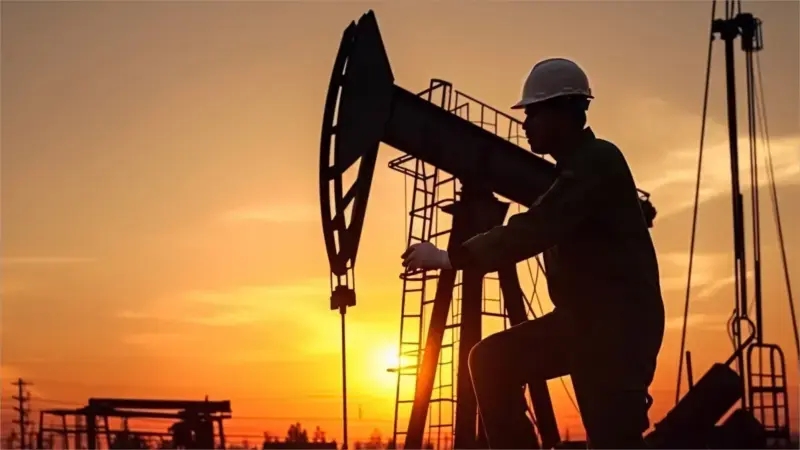
Traders paring back assessments of the potential effect of a new escalation of U.S.-Iranian tensions on oil supply weighed on oil prices on Thursday. The drop coincided with the day on which crude prices jumped significantly on expectations of new military confrontation in the Middle East that may affect crude ships transiting in and out of the Strait of Hormuz.
Brent crude futures fell 1.46% to $76.88 per barrel, while West Texas Intermediate (WTI) crude dropped 1.41% to $72.48 per barrel. The retreat came on the back of strong prices the previous session, where both main contracts posted their largest daily increases in weeks.
Fresh U.S. Strikes Trigger Market Concerns
The latter rally occurred after some mentions of further U.S. strikes on Iran after an attack on cargo ships near the Strait of Hormuz. News that Washington is ending a ceasefire deal with Iran and more comments from U.S. President Donald Trump also sparked fears of a possible escalation in the region.
The latest downward pressure has not dampened derivative markets’ keen sensitivities to events in the Middle East, analysts say. Investors are also watching closely, as disruption of oil transportation could impact global supply and price rapidly.
Strait of Hormuz Remains the Key Risk
The entire marketplace’s attention continues to be fixed on the Strait of Hormuz. It is a very busy waterway, carrying a considerable portion of the world’s oil exports, and is an important route for energy shipments from important oil producing countries. Minor disruptions can make shipping more costly, deliveries slower, and make energy markets less secure.
Commercial shipping in the region has been a target of recent attacks, raising concerns about the safety of shipping in the area. Traders are now awaiting any indications of further military activity, potential Iranian responses and for any shift in U.S. policy in regard to Iranian oil exports.
Geopolitical Premium Continues to Support Oil
Oil prices have come back down from recent highs but there is still a geopolitical risk premium in the markets. This thus indicates that traders are still anticipating the possible risk of supply associated with the existing tensions.
Continued oil flow uncertainty in the Middle East continues to play a big role in market sentiment. With the potential for additional plays in the area, the price outlook may easily see greater change assuming a change in sentiment or conditions in the crude market.
Potential Impact on Inflation and Global Economy
The wider repercussions might be more important if the disruption continues. When oil prices go up, in general, so do fuel and transportation costs and that can add up to inflation.
The important question for businesses, consumers and central banks is whether today’s tensions are a mere blip in an otherwise unchanging environment or evolve into a more entrenched challenge to global energy supplies.