

Brent Oil Holds Weekly Gains Despite Friday Pullback
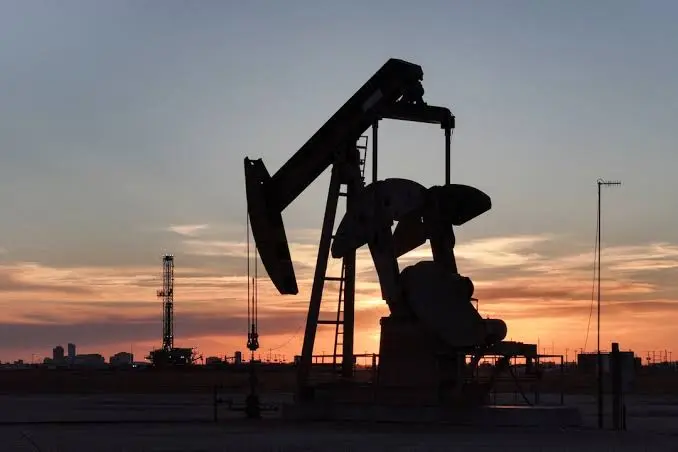
Oil prices did back off Friday, but the week was a good one. Brent, the world’s most important oil benchmark, fell 4.1% to close at $96.57 a barrel. In fact, it had recently reached a price over $100 per barrel for the first time since May. U.S. crude, known as West Texas Intermediate (WTI), also slipped, falling 3.8% to $88.88 a barrel.
Even with Friday’s drop, both oil benchmarks are still set to post their biggest weekly gains in months. The reason comes down to fear. The escalation has been rapid between Iran, the United States, Israel and Yemen’s Houthis, and that battle is now spreading to encompass its energy lifelines.
Oil Prices Fall as Ceasefire Hopes Ease Middle East Supply Concerns
Why Traders Are Worried
The latest concern was the Red Sea, where Houthi forces seemed to have attacked two Saudi oil tankers. That attack alarmed particularly the Bab el-Mandeb Strait, one of the world’s busiest oil shipping lanes, next to the Strait of Hormuz.
To add pressure, President Donald Trump has threatened Iran and the Houthis with strong military response. But Iran has also indicated that additional energy corridors may be at stake should the conflict escalate.
It is no surprise that supply problems plague the Middle East. Kazakhstan also had to pause output after suspected Ukrainian drone strikes hit its main Black Sea export terminal, adding yet another worry for global oil supply.
What This Means for Prices
Analysts say prospects prefer higher prices. JPMorgan estimates that a suspension of the key supply for each additional month may take Brent to $7 to $8 higher per barrel. If the turmoil drags on for three months, Brent could climb toward $114 a barrel.
ING analysts are saying something similar, warning that potential risks to global oil flow have increased to a level not seen since the war kicked off with both Hormuz and the Red Sea at risk.
Perhaps for now, oil markets remain on edge. Traders are monitoring closely, preparing for additional price movements as the Middle East situation unfolds.
Brent Oil Tops $90 as Hormuz Tensions Raise Supply Fears