

Brent Oil Tops $90 as Hormuz Tensions Raise Supply Fears
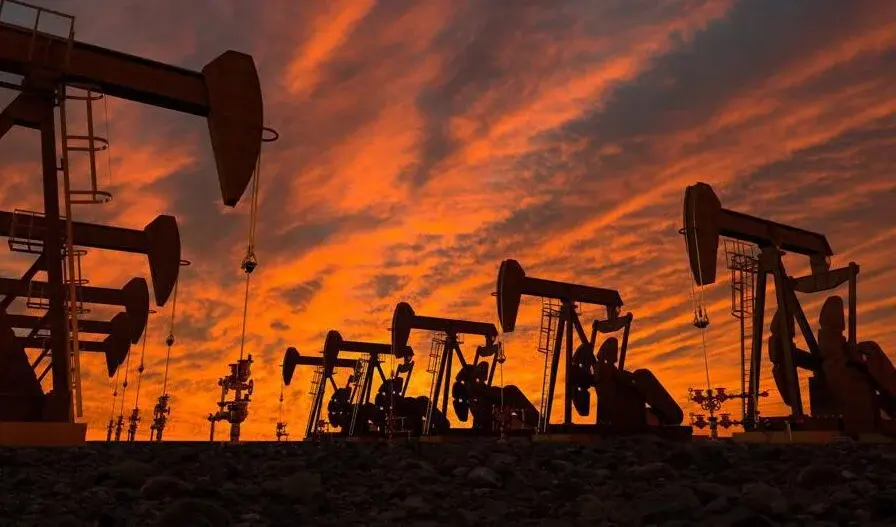
Oil prices rose Monday after renewed fighting between the United States and Iran. The incident raised concerns about oil supply, as Iran is threatening one of the most important oil transportation routes in the world.
Brent crude, the global oil benchmark, briefly climbed above $90 a barrel in early trading. It is afterwards cooled, and then sets at $88.41, but still a touch higher for the day. U.S. crude, known as WTI, dropped a bit to $81.68.
It was after nine consecutive nights of U.S. military bombing in Iran that the price fluctuations came in.
Why the Strait of Hormuz Matters So Much
Key to this story is the Strait of Hormuz, a small body of water between Iran and the Arabian Peninsula. Approximately one-fifth of the world’s traded oil transits through it.
Iran’s Revolutionary Guard said it now controls the strait. It said no oil, gas and fertilizer shipments would be moving in and out of the passage until U.S. strikes persist.
Already, there has been a significant reduction in shipping transiting through the strait. Traders are closely monitoring whether this makes a complete blockage as that could send prices even higher.
The U.S. military claims its strikes are targeting Iranian radar stations, air defenses and weapons storage facilities, systems that pose a threat to commercial ships.
What This Means for Your Wallet
Energy expert Amrita Sen from Energy Aspects warns that oil could top $100 a barrel if shipping slows further. Low oil stockpiles worldwide could make any price jump even sharper.
Right now, the market has not fully priced in a long shutdown of the strait. That means prices could still climb higher if tensions escalate.
Rising oil prices often lead to higher prices at the gas pump, plus higher costs for shipping and everyday goods. This could also make it harder for central banks to lower interest rates anytime soon.