
ECB Faces Tougher Rate Decision as Middle East Conflict Pushes Oil Prices Higher
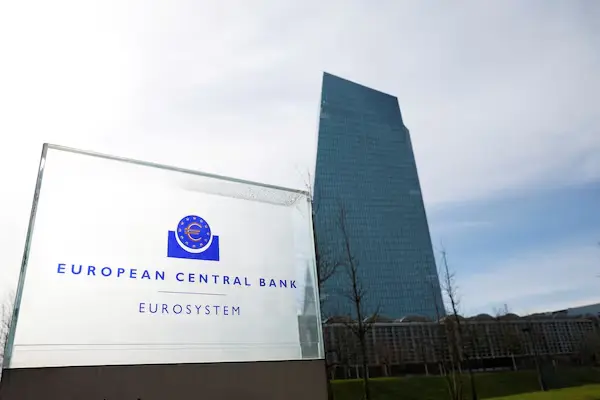
The European Central Bank is in for an uncomfortable interest rate decision next week, with influences from the oil price contributing new inflation pressures throughout the eurozone. Crude has also moved higher as tensions have led to renewed conflict in the region, leading to uncertainty for policy makers facing the challenge of re-balancing inflation concerns and weak economic growth.
Rising Oil Prices Revive Inflation Worries
Brent used to increase beyond $85 per barrel in recent times, following disruptions associated with the Strait of Hormuz, one of the globe’s many important energy shipping routes. The rise has returned energy prices to the spotlight and prompted uncertainty whether or not the inflation may persist beyond the ECB’s target.
The current deposit rate of the ECB is 2.25%. Investors are becoming less sure as financial markets see the central bank err on the side of keeping its rates unchanged at the next meeting. However, market pricing indicates approximately a 20% risk of a rate hike because officials are waiting for the effect of higher energy costs.
ECB Officials Remain Cautious
Just recently, Bundesbank president Joachim Nagel said that economic prospects continue to be extremely cloudy. He urged policy makers to maintain vigilance but also to be ready to act swiftly should any inflationary pressures get worse.
The ECB has already made a number of policy changes in the last 12 months. The central bank lowered its key rates a number of times in a bid to escape the difficult economic situation, and last month hiked them 25 basis points when inflation was beginning to pick up again.
Inflation Data Highlights the Challenge
The challenge is with the recent inflation figures. The growth rate of consumer prices to 2.8% last month, down from 3.2% in May. But energy prices continued to climb significantly, up 8.7% on a year-over-year basis. Without volatile categories like energy and food, core inflation was more stable at 2.4%.
Key Economic Reports Still Ahead
Key economic data will not come until the ECB meeting, adding to the uncertainty. Policymakers won’t have the latest eurozone GDP and inflation data in time for their decision, which are due at the end of the month.
ECB Faces a Difficult Balancing Act
The eurozone still depends heavily on outside energy imports, which means they are sensitive to oil shocks. Economic growth at the same time is also subdued. This puts the ECB in a bind between fighting inflation and sustaining a fragile economy.
Also read:
Nvidia Cuts AI Chip Sales in Asia Amid U.S. Pressure
Oil Market Keeps Risk Premium as Shipping Through Hormuz Remains Slow