

Bank of Korea Raises Interest Rates to 2.75% as Inflation Pressures Return
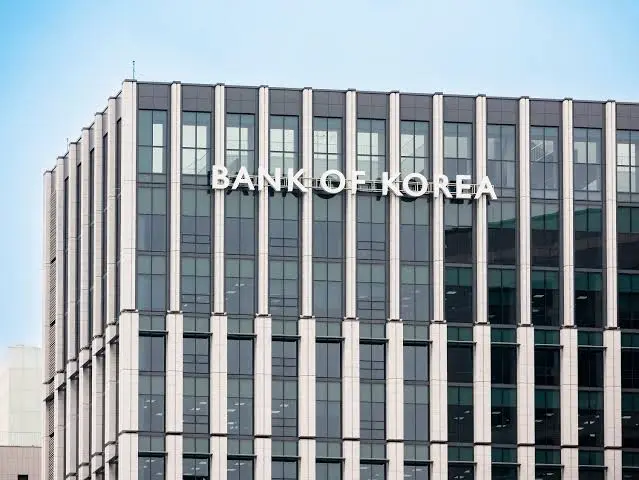
South Korea has just taken a major step against inflation. The Bank of Korea in Thailand hiked its key interest rate to 2.75% on Thursday. Not only is this the first rate hike in over three years, but also represents a fundamental change in the country’s economic policy.
Why the Bank of Korea Raised Rates
South Korea’s prices are rising rapidly. In June, the inflation rate climbed to 3.2% for the first time since 2023. The central bank raised rates 25 basis points to slow that trend.
Inflation will likely remain above their 2% target for some time, officials say. Still however, price increases are being fuelled by energy costs. In addition, wages are also increasing. The bank noted that high amounts of bonuses at leading tech companies could spark increased payroll across the nation. That would further escalate prices.
The Bank of Korea now projects that the inflation rate would be 2.7% this year on average. That’s higher than previous estimates.
A Falling Currency Brings Hardship
This has been found wanting in the past. It hit a 17-year low of 1,561.5 per dollar June 5. It subsequently almost matched the low one more time and recovered. The won is currently around 1,482 per dollar.
Hikes in interest rates strengthen the currency. Tall rates draw overseas investors seeking higher returns on their investment.
Strong Growth Provides the Bank Room to Act
South Korea’s economy expanded by 3.8% during the quarter. That’s the highest rate of increase since the end of 2021. Such good results instill greater confidence in policymakers to increase rates without doing too much damage to the economy.
Nevertheless, markets are on edge. Recently the KOSPI index of stocks fell almost 6%. The products of major firms such as Samsung Electronics and SK Hynix suffered as major chip stocks in the world fell.
What Comes Next
Capital Economics experts think more hikes are yet to come. Growthwise, high inflation is still present. However, it’s difficult for the central bank to strike a balance. The downward trend in retail sales is continuing and markets are still tossing.
Also read:
Nvidia Cuts AI Chip Sales in Asia Amid U.S. Pressure
ECB Faces Tougher Rate Decision as Middle East Conflict Pushes Oil Prices Higher