

Christine Lagarde May Leave ECB Sooner Than Expected
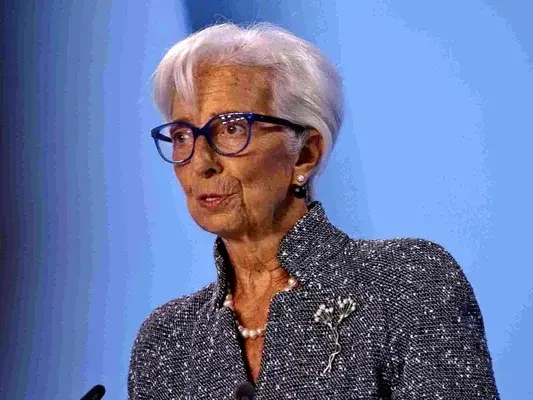
Christine Lagarde has opened up about her future at the European Central Bank after admitting she could leave before her mandate expires in October 2027.
While Lagarde has not announced any formal decision, her recent comments suggest an early departure remains possible. This follows a rise in political focus in France ahead of the nation’s 2027 presidential elections.
That has raised considerable interest among investors, economists and analysts of financial markets among concerned political circles since any change at the ECB may impact financial markets for the whole Europe.
French Election Speculation Builds
Lagarde’s comments also fueled speculation about a possible role in French politics. She called for a strong European voice in the discussion ahead of France’s next presidential elections.
She reiterated France’s importance in Europe for the future of its economy. Lagarde said that a decision to diminish France’s influence in Europe would have significant repercussions for the nation and its people.
Early polling shows the front-runner to be Jordan Bardella, leader of the far-right National Rally. He has openly called for changes in France’s relationship with the European Union.
At the same time, Emmanuel Macron will be unavailable for another term after his second.
Markets React to Uncertainty
The prospect of Lagarde’s exit has already affected markets. Previous speculation regarding a possible departure pressured the euro and bolstered uncertainty on the part of investors.
It’s for a simple reason. ECB’s leadership is one of the most important factors influencing monetary policy, interest rates, inflation control and confidence in the markets.
Nevertheless, Lagarde made it clear that her current focus remains unchanged. She said that she has to make sure that the price is stable particularly during the economic uncertainties.
Why Lagarde’s Role Matters Globally
Lagarde’s impact is even wider beyond Europe. Prior to the ECB in 2019, she served as the head of the International Monetary Fund, where she was responsible for managing significant financial issues on a global scale.
Today, her decisions impact borrowing costs, currency markets, and investor sentiment worldwide. That’s why changes in her posture are considered major news in Europe and the world economy.